El Niño Wildfires Are Devastating Indonesia’s Orangutans
The Escalating Crisis in Indonesia's Rainforests
The tropical rainforests of Borneo and Sumatra are home to some of the richest biodiversity on Earth, including the critically endangered Bornean and Sumatran orangutans. However, intense dry spells exacerbated by the El Niño climate cycle have sparked widespread wildfires across Indonesia. As flames engulf thousands of hectares of ancient peatlands and canopy forests, wildlife rescue organizations are working around the clock to evacuate displaced, injured, and starving primates.
According to field reports published by The Guardian, emergency teams in Kalimantan are encountering orangutans fleeing toxic smoke and scorched habitats, forcing them into human settlements in search of food. This environmental emergency not only threatens the survival of Asia’s only great ape but also accelerates global climate change through massive carbon emissions.

The Deadly Convergence: El Niño, Drought, and Peatland Ignition
Wildfires in Indonesia are rarely entirely natural. While traditional agricultural clearing plays a role, the weather pattern known as El Niño amplifies drought conditions across Southeast Asia. Prolonged dry seasons dry out Indonesia's carbon-rich peatlands—wetlands composed of accumulated dead organic matter that, when drained, become highly flammable tinderboxes.
Data from the Global Forest Watch indicates that drained peatlands burn deep underground, making fires exceptionally difficult to extinguish. Underground peat fires can smolder for weeks, releasing dense clouds of toxic haze (known locally as haze) into the atmosphere and choking vast swathes of Indonesia, Malaysia, and Singapore.
Key Environmental Factors Accelerating the Blaze:
- Sub-surface Peat Burning: Fires burn beneath the forest floor, destroying tree roots and creating hidden underground furnaces.
- Deforestation & Drainage Canals: Canal systems built for agricultural expansion drain water from peat soils, leaving them highly combustible.
- Extreme Heat Waves: High surface temperatures combined with delayed monsoon rains prolong the fire season.
Direct Impact on Orangutan Survival and Habitat
Orangutans are strictly arboreal creatures, relying almost entirely on dense forest canopies for food, nesting, and movement. When fires consume the canopy, orangutans lose their primary sources of sustenance—wild figs, bark, leaves, and insects.
The IUCN Red List of Threatened Species classifies both the Bornean orangutan (Pongo pygmaeus) and the Sumatran orangutan (Pongo abelii) as Critically Endangered. Habitat loss driven by fires and land conversion remains the single greatest threat to their long-term survival.
"When the forest burns, orangutans have nowhere to run. Starving and dehydrated, many starve in isolated forest pockets or are forced onto human land where human-wildlife conflict increases dramatically."
Starving animals wandering into agricultural plantations face high risks of human conflict, poaching, or domestic animal attack. In addition, acute smoke inhalation causes severe respiratory infections among young orangutans and nursing mothers.
Read similar articles: Amazon Plants Are Rewriting Photosynthesis
Emergency Evacuations on the Frontlines
Conservation groups such as International Animal Rescue (IAR) and the Borneo Orangutan Survival (BOS) Foundation are conducting emergency rescue missions deep inside burn zones. Armed with tranquilizer darts, veterinary kits, and transport crates, specialized response teams track stranded orangutans and relocate them to safe release sites or rehabilitation centers.
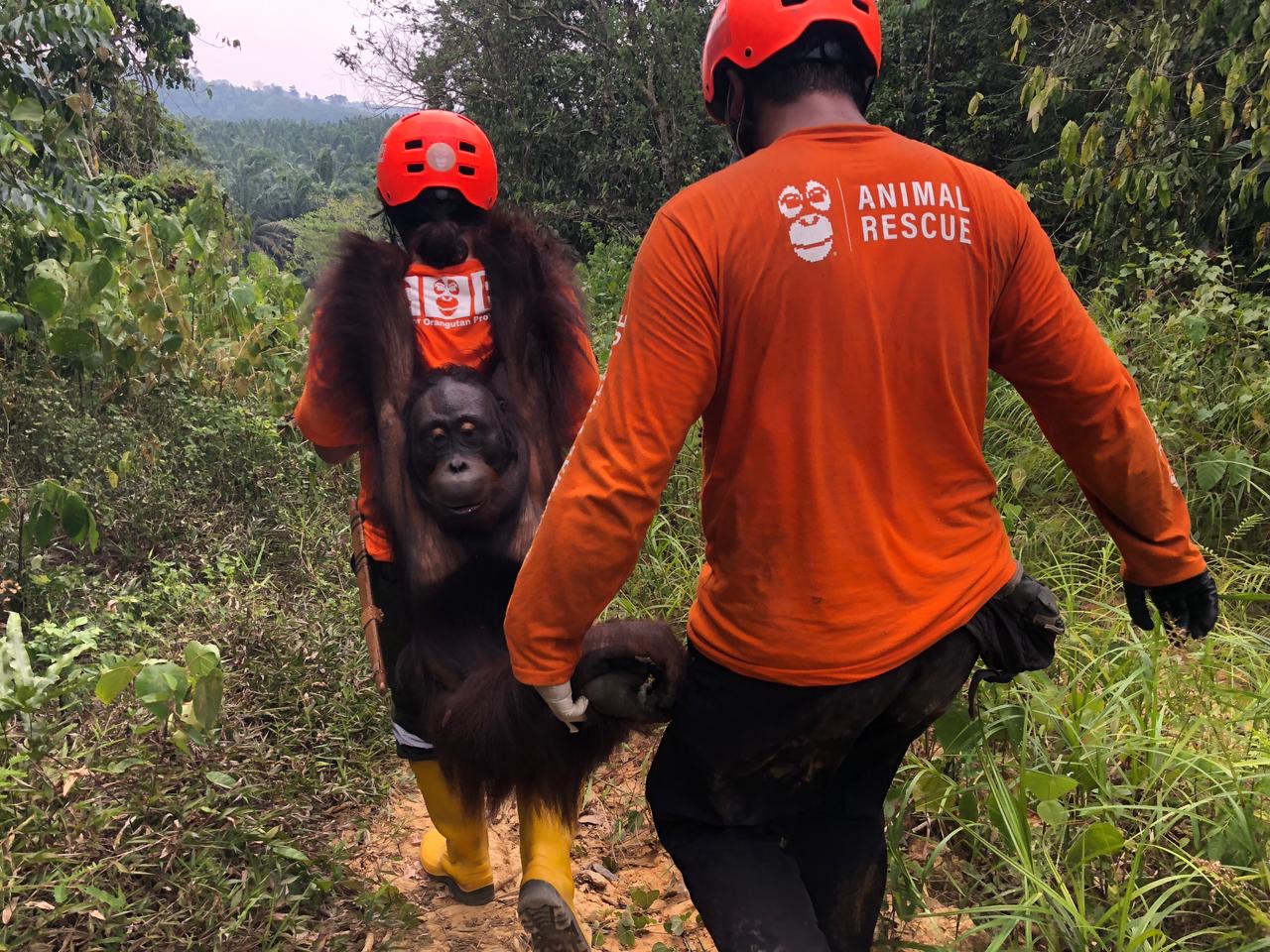
The evacuation process involves complex field operations:
- Thermal Drone Surveillance: Teams deploy infrared drones through smoke clouds to detect heat signatures of isolated animals stuck in unburned tree islands.
- Veterinary Assessment: Rescued animals receive immediate medical treatment for dehydration, burns, and respiratory illness.
- Quarantine and Rehabilitation: Orphaned infants enter rescue sanctuaries where they learn essential climbing and foraging skills before eventual reintroduction into secure national parks.
The Ecological Ripple Effect: Global Climate Consequences
The destruction of Indonesian peatlands reaches far beyond wildlife loss. Indonesia's peat soils store an estimated 57 gigatons of carbon—roughly 12 times the annual global carbon emissions from fossil fuels. When these wetlands burn, massive amounts of greenhouse gases (CO₂ and methane) are released into the atmosphere, creating a dangerous feedback loop that drives further climate instability.
Research published by environmental organizations like Mongabay News highlights that protecting peat ecosystems is vital for meeting international climate targets under the Paris Agreement. Preserving orangutan habitats directly preserves one of the world's most vital carbon sinks.
Root Causes: Agro-Industrial Expansion and Land Degradation
While climatic events like El Niño aggravate drought conditions, human activities trigger the overwhelming majority of blazes. Historically, fire has been used as a cheap, illegal method to clear land for commercial agriculture, specifically palm oil plantations and timber concessions.
Structural Drivers of Fire Vulnerability:
Unregulated drainage canals dug through peat swamps lower the local water table, turning damp ecosystems into dry fuel beds. Even when fire bans are enforced, enforcement across remote island territories remains challenging.
| Factor | Natural State | Degraded / Drained State |
|---|---|---|
| Peat Moisture | Saturated year-round; fire-resistant | Dry organic material; highly flammable |
| Canopy Cover | Dense multi-layer foliage shields soil | Fragmented trees increase soil drying |
| Wildlife Corridor | Continuous ranges for foraging | Isolated pockets leading to starvation |
Strategic Solutions and Long-Term Conservation Efforts
Addressing the wildfire emergency in Indonesia requires combining local field intervention with high-level policy reform. Organizations like the World Wildlife Fund (WWF) advocate for sustainable land-management frameworks that protect existing old-growth forests.
1. Peatland Restoration and Rewetting
Blocking illegal drainage canals allows peatlands to retain water naturally, restoring the high water tables required to prevent subterranean fires.
2. Strengthening Protected Area Patrols
Increasing ranger patrols in vulnerable wildlife reserves deters illegal encroachment and enables early detection of fire outbreaks before they spread out of control.
3. Supporting Sustainable Supply Chains
Encouraging global markets to purchase certified sustainable palm oil (RSPO) reduces financial incentives for illegal forest clearing.
How You Can Help Protect Indonesia’s Orangutans
Every individual can take direct action to support rainforest conservation and safeguard endangered wildlife from devastating climate events:
- Support Field Rescue Organizations: Direct donations to frontline groups help fund emergency medical supplies, drone tech, and rehabilitation care for displaced primates.
- Choose Sustainable Products: Check labels for RSPO-certified palm oil or opt for palm-oil-free alternatives to lower demand for deforestation-linked commodities.
- Raise Awareness: Share reliable environmental news to keep global attention focused on peatland restoration and wildlife protection.
Conclusion
The surge in El Niño-driven wildfires poses an existential threat to Indonesia's remaining orangutan populations and global climate stability. Protecting these iconic primates requires immediate firefighting and emergency rescue responses, alongside long-term commitments to rewetting drained peatlands and enforcing sustainable land-use policies. By supporting conservation efforts and making conscious consumer choices, we can help secure a safer future for Borneo and Sumatra's endangered wildlife.


Comments
Post a Comment