US Dam Removal Reopens 640 km River for Salmon
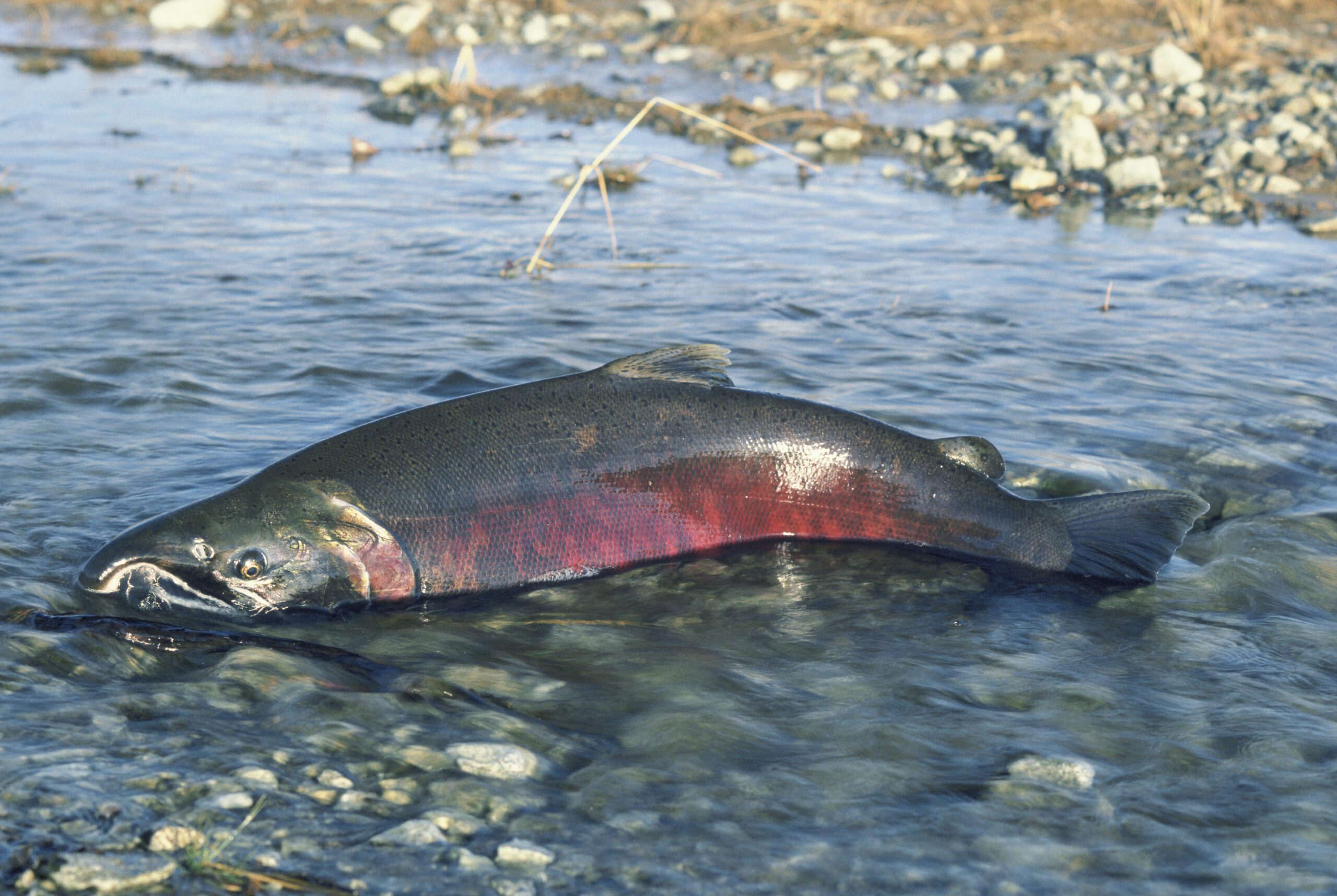
In what marine biologists and environmental scientists are calling a landmark triumph for freshwater ecology, the completion of the world’s largest dam removal project along the Klamath River has produced astonishing results. By removing four massive hydroelectric dams along the California-Oregon border, restoration teams successfully reconnected over 640 kilometers (400 miles) of river habitat. Within just two years of barrier removals, wild Chinook salmon have reoccupied 88% of their historical spawning grounds—a recovery speed that has surprised even the most optimistic conservationists.
For more than a century, aging infrastructure blocked migratory aquatic species, disrupted natural sediment transport, and triggered severe water quality degradation. Today, the revived Klamath basin stands as global proof that when artificial obstacles are dismantled, river ecosystems possess an extraordinary capacity to heal.

The Klamath River Crisis: Century-Old Barriers to Life
The Klamath River was historically the third-largest salmon-producing river on the West Coast of the United States. However, between 1918 and 1962, four major hydroelectric structures were constructed across its mainstem:
- Iron Gate Dam (constructed in 1962 in Northern California)
- Copco No. 1 Dam (constructed in 1918)
- Copco No. 2 Dam (constructed in 1925)
- J.C. Boyle Dam (constructed in 1958 in Southern Oregon)
Read similar articles: Record Ocean Heat: Earth's Seas Absorption
While these dams provided hydroelectric energy to regional markets, they cut off access to hundreds of miles of high-elevation spawning tributaries. Stagnant reservoirs created ideal conditions for toxic blue-green algal blooms (Microcystis aeruginosa) and warm water temperatures, which fostered lethal parasite outbreaks such as Ceratonova shasta. Consequently, wild populations of fall-run and spring-run Chinook salmon, Coho salmon, and steelhead trout crashed to catastrophic historical lows.
"The dams did not just block fish passage; they fundamentally severed the biological artery connecting the Pacific Ocean to the high-desert headwaters of Oregon and California."
Deconstructing the Megastructures: The Largest Dam Removal in History
After decades of tireless advocacy by regional Native American tribes, fisheries scientists, and environmental organizations, federal regulators approved the decommissioning of the four dams under the direction of the Klamath River Renewal Corporation (KRRC). The drawdown phase commenced in early 2024, involving heavy machinery, controlled breaches, and sophisticated engineering techniques to flush decades of trapped sediment downriver responsibly.
According to coverage detailed by Times of India Science, the removal liberated 640 kilometers of critical river habitat, unlocking vital tributaries like Spencer Creek, Fall Creek, and Shovel Creek that had been completely isolated for over 100 years.
The 88% Miracle: How Chinook Salmon Came Surging Back
Conventional biological models suggested that salmon recolonization would proceed gradually over several generations, as fish adapted to newly accessible spawning gravels. However, tracking data collected by state wildlife agencies and tribal fisheries biologists revealed an immediate, mass return.
Within two years of the removal of Iron Gate and Copco dams, returning fall-run Chinook salmon navigated past former dam sites and dispersed deep into the upper watershed. Key metrics from the ongoing environmental monitoring show:
- Rapid Range Expansion: Salmon reoccupied 88% of their historical habitat within 24 months of structural removal.
- Spawning Success: Biologists recorded active redds (egg nests) in tributaries that had not seen a wild salmon since 1918.
- Genetic Straying Benefits: Instinctive straying behavior allowed returning adult salmon to explore cold-water refugia upstream rather than turning back at artificial concrete walls.
Data backed by federal monitoring programs at NOAA Fisheries and the United States Geological Survey (USGS) confirm that water velocities and sediment transport rates have normalized far quicker than projected, creating clean gravel beds essential for salmon egg survival.
Indigenous Leadership and Cultural Healing
The success on the Klamath River cannot be discussed without acknowledging the pivotal leadership of Native American tribes, including the Yurok, Karuk, Klamath, and Hoopa Valley Tribes. For generations, these sovereign nations relied on salmon for subsistence, cultural traditions, and spiritual well-being.
Their multi-decadal "Un-Dam the Klamath" campaign brought legal, political, and scientific pressure to bear on private dam operators and government agencies. The swift return of Chinook salmon represents not only an ecological victory but an act of environmental justice and cultural restoration for Indigenous communities whose heritage is intrinsically bound to the river.
Cascading Ecological Benefits Across the Ecosystem
The return of anadromous fish brings vast ecological ripple effects that extend far beyond the river channel:
1. Marine-Derived Nutrient Flux
Salmon act as biological conveyor belts, bringing ocean-derived nutrients—specifically nitrogen and phosphorus isotopes—hundreds of miles inland. When salmon spawn and complete their lifecycle, their bodies nourish terrestrial ecosystems, enriching riparian vegetation, insects, birds of prey, bears, and river otters.
2. Elimination of Toxic Algal Reservoirs
Dismantling the shallow, stagnant dam impoundments eliminated stagnant thermal pools where toxic blue-green algae flourished every summer. Today, continuous river currents maintain lower water temperatures and higher dissolved oxygen levels.
3. Restoration of Estuary Dynamics
With natural flow regimes restored, sediment and organic matter now move downstream to nourish the river mouth and Pacific coast estuary, restoring critical juvenile nursery grounds for Dungeness crab, lamprey, and juvenile trout species monitored by the California Department of Fish and Wildlife.
Global Implications for River Restoration and Dam Removal
The unprecedented recovery of the Klamath River sends a clear signal to environmental policymakers around the globe. Across Europe and North America, thousands of aging dams built during the 19th and 20th centuries are nearing the end of their operational lifespans, posing public safety risks, environmental degradation, and rising maintenance costs.
The Klamath project proves that large-scale river restoration is feasible, cost-effective long-term, and capable of generating immediate biodiversity gains. It serves as a real-world model for river management in an era where climate resilience and habitat connectivity are paramount priorities.
Key Takeaways
- 640 km Reopened: Dismantling four hydroelectric dams opened over 400 miles of historical river habitat.
- 88% Recolonization Rate: Chinook salmon reoccupied nearly nine-tenths of their historical range in under two years.
- Water Quality Revived: River flows eliminated lethal algal blooms and parasite hotbeds.
- A Model for Conservation: Proves that nature rebounds rapidly when structural aquatic barriers are removed.
Conclusion
The reopening of the Klamath River stands as one of the greatest environmental success stories of the 21st century. By choosing ecological restoration over decaying infrastructure, scientists, tribal leaders, and engineers have given wild Chinook salmon a renewed future. As salmon once again leap through cold mountain streams where concrete dams stood just years ago, the Klamath River serves as an inspiring beacon of hope for wild rivers worldwide.


Comments
Post a Comment