SOS! Has the World Gone Completely Crazy?
The idea sounds shocking to many people around the world: wealthy hunters paying tens or even hundreds of thousands of dollars to kill wild animals. Lions, elephants, leopards, rhinos, buffalo, and even kangaroos become part of a controversial industry that supporters describe as “conservation through hunting.” Critics, however, call it exploitation, cruelty, and even a modern form of neocolonialism.
How can killing animals possibly help save wildlife?
This difficult question continues to divide governments, conservationists, scientists, Indigenous communities, animal rights organizations, and tourism businesses. In some countries, trophy hunting generates millions of dollars for wildlife protection and rural communities. In others, corruption, weak laws, and illegal practices create serious problems for ecosystems and endangered species.
The debate is emotional because it combines ethics, economics, biodiversity, tourism, colonial history, and survival of wildlife in rapidly changing ecosystems.
From African lions to Australian kangaroos, governments and conservation agencies continue searching for ways to balance human activity with the survival of nature.

What Is Trophy Hunting?
Trophy hunting refers to the legal hunting of wild animals where hunters usually keep parts of the animal, such as horns, skins, skulls, or heads, as trophies. These hunts are often expensive and highly regulated in some countries.
Supporters argue that:
- Hunting fees fund wildlife conservation
- Local communities receive economic benefits
- Animal populations can be controlled scientifically
- Protected land survives because it generates income
Critics argue that:
- Killing animals for sport is unethical
- Corruption often prevents conservation funding from reaching wildlife
- Rare animals become commercial targets
- The industry reflects inequality between rich foreigners and poor local populations
The controversy grows stronger every year as social media exposes hunting photos to global audiences.
YOU MAY BE INTERESTED IN - Human Expansion and Wildlife Extinction
Why Some Countries Allow Trophy Hunting
Many African countries face enormous financial challenges in protecting wildlife. National parks require:
- Anti-poaching patrols
- Veterinarians
- Fences and monitoring systems
- Community compensation programs
- Habitat restoration
These programs cost millions of dollars annually.
In regions where photographic tourism is weak or impossible due to remote geography, governments sometimes allow limited trophy hunting licenses. A single legal hunt can generate more money than years of regular tourism activity in isolated regions.
For example, a hunter may pay:
- $50,000–$100,000 for a lion hunt
- $20,000–$40,000 for a leopard hunt
- Over $100,000 for rare species permits
Part of this revenue may support conservation projects and local villages.
The Lion Conservation Argument
African Lions Under Pressure
African lion populations have declined dramatically during the last century because of:
- Habitat loss
- Human expansion
- Conflict with livestock farmers
- Poaching
- Illegal wildlife trade
Some wildlife agencies argue that carefully controlled hunting creates economic incentives to preserve lion habitats instead of converting land into agriculture.
Countries including Namibia, Zimbabwe, and Tanzania have historically used regulated hunting systems in conservation areas.
Supporters claim that without financial incentives, large wildlife areas could disappear entirely.
The Cecil the Lion Scandal
The global debate exploded in 2015 after the death of Cecil the Lion in Zimbabwe. The lion was killed by an American trophy hunter, causing worldwide outrage.
The incident triggered:
- International criticism
- Airline bans on trophy transportation
- Political pressure for hunting restrictions
- New conservation discussions
Critics argued that iconic animals should never become luxury targets for wealthy foreigners.
The story also revealed deeper tensions surrounding economic inequality and foreign influence in African wildlife management.
Kangaroos: A Completely Different Case
Australia presents a different wildlife management challenge.
Kangaroos are native animals and important national symbols, but their populations can grow rapidly under certain environmental conditions. In some regions, kangaroos compete with livestock for food and water.
Why Kangaroo Culling Exists
Australian authorities sometimes allow controlled culling because:
- Overpopulation can damage ecosystems
- Food shortages may increase suffering during droughts
- Vehicle collisions become more common
- Farmers report agricultural damage
Unlike trophy hunting in Africa, kangaroo management is often presented as ecological population control rather than luxury hunting tourism.
Still, critics argue that commercial harvesting can become economically motivated instead of scientifically balanced.
The Ethical Debate
Animal welfare organizations argue that kangaroo management should prioritize:
- Non-lethal population control
- Habitat restoration
- Better land management
- Reduced commercial exploitation
The debate demonstrates how wildlife management becomes highly complex when animals interact directly with agriculture and human infrastructure.
Critics Call It Neocolonialism
One of the strongest modern criticisms is the accusation of neocolonialism.
Critics argue that trophy hunting often allows wealthy foreign hunters from Europe or North America to pay for access to wildlife in poorer nations.
According to critics:
- Wildlife becomes a luxury commodity
- Local communities may receive limited benefits
- Foreign interests influence conservation policy
- Animals become symbols of global inequality
Some activists also argue that African nations are pressured economically into maintaining controversial hunting systems because they lack alternative financial support.
This criticism has become stronger as eco-tourism grows worldwide.
Can Eco-Tourism Replace Trophy Hunting?
The Rise of Wildlife Tourism
Safari tourism generates billions of dollars globally. Visitors travel to see:
- Lions
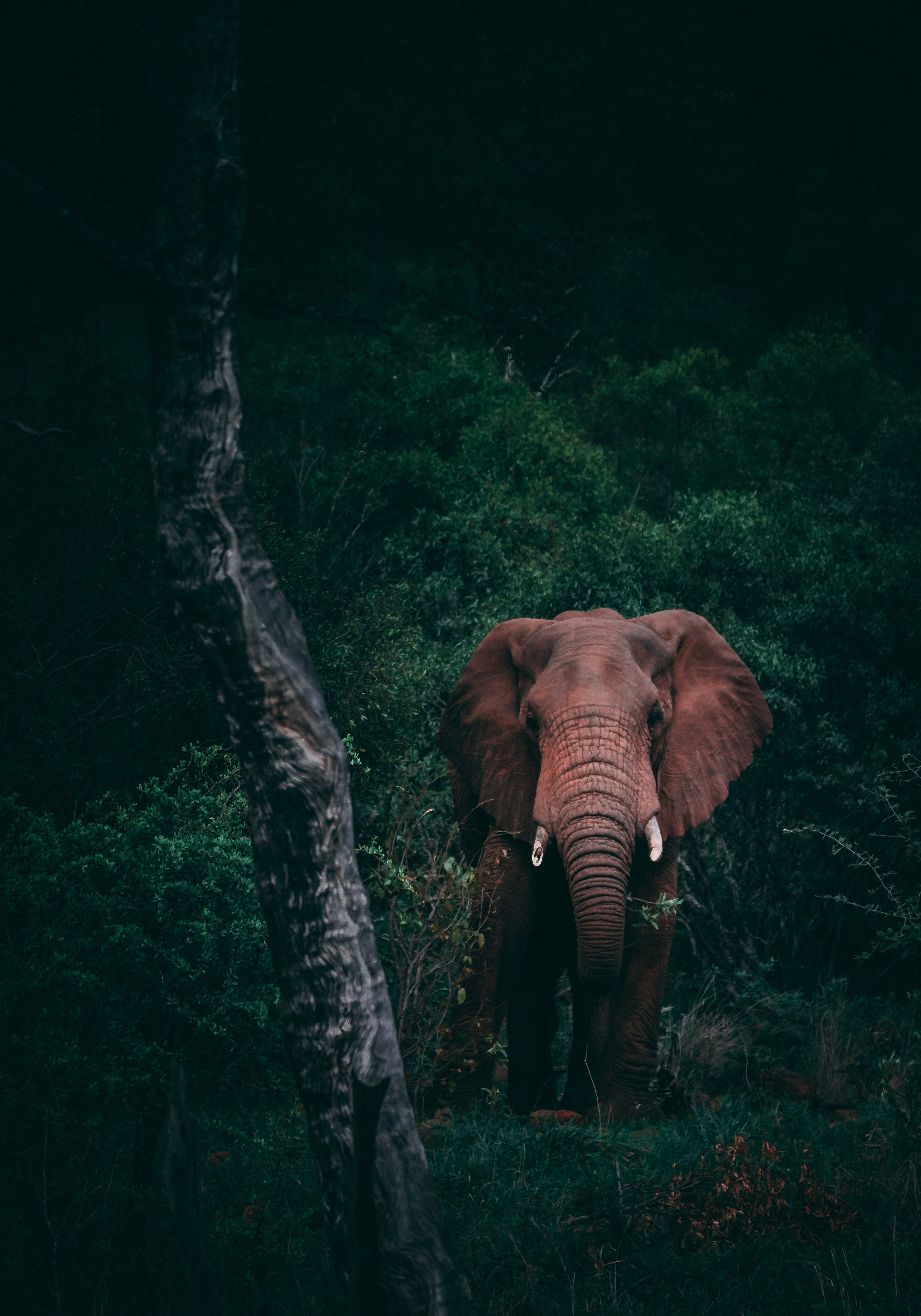
- Elephants
- Giraffes
- Leopards
- Rhinos
Countries such as Kenya rely heavily on photographic tourism instead of trophy hunting.
Supporters of eco-tourism argue that living animals create long-term economic value through repeated tourism visits.
The Problem With Remote Areas
However, some conservation experts warn that tourism cannot succeed everywhere.
Remote wildlife regions may:
- Lack roads and hotels
- Have security risks
- Be inaccessible for tourists
- Generate limited visitor interest
In these locations, governments sometimes argue that regulated hunting is financially more realistic than tourism development.
Examples Around the World
Namibia
Namibia is often cited by hunting supporters as a conservation success story. Community conservancies receive some hunting income and participate in wildlife management.
Wildlife populations in several regions increased after local communities gained economic incentives to protect habitats.
Botswana
Botswana banned trophy hunting in 2014 but later reintroduced controlled elephant hunting due to increasing human-wildlife conflicts and pressure from rural communities.
The decision created international controversy.
Kenya
Kenya banned trophy hunting decades ago and focused heavily on eco-tourism. The country became one of Africa’s leading safari destinations.
However, Kenya still struggles with habitat loss and wildlife decline in some regions.
Australia
Australia’s kangaroo management programs continue generating debate between scientists, farmers, conservationists, and animal rights activists.
The discussion shows that even wealthy developed nations face difficult wildlife management decisions.
The Real Threats to Wildlife
Although trophy hunting receives global media attention, scientists often warn that the biggest threats to wildlife are much larger:
- Deforestation
- Climate change
- Urban expansion
- Illegal poaching
- Pollution
- Agricultural land conversion
- Mining operations
Many species lose habitat faster than conservation systems can protect them.
For example:
- African elephants lose migration corridors
- Big cats lose prey populations
- Marine ecosystems face plastic pollution
- Forest species lose biodiversity hotspots
Conservation experts increasingly argue that protecting ecosystems matters more than focusing on individual animals alone.
Scientific Population Management
Why Population Balance Matters
In some ecosystems, animal populations require careful management.
If predator numbers collapse, herbivore populations may increase uncontrollably, damaging vegetation and biodiversity.
At the same time, excessive hunting can destabilize ecosystems permanently.
Modern conservation science therefore focuses on:
- Population monitoring
- DNA tracking
- Satellite observation
- Migration studies
- Habitat analysis
Wildlife management decisions increasingly rely on scientific data instead of politics alone.
What Conservationists Recommend
Balanced Wildlife Protection
Many experts believe successful wildlife protection requires a combination of strategies:
- Strict anti-poaching enforcement
- Community involvement
- Habitat preservation
- Scientific monitoring
- Transparent funding systems
- Eco-tourism development
- Education programs
Without local economic benefits, conservation projects often fail because rural populations may prioritize survival over wildlife protection.
Transparency Is Critical
One major criticism of trophy hunting systems is lack of transparency.
Conservation organizations increasingly demand:
- Public financial reporting
- Independent scientific reviews
- Community participation
- Stronger legal enforcement
These measures may help reduce corruption and improve wildlife outcomes.
Practical Tips for Supporting Wildlife
1. Support Ethical Eco-Tourism
Choose tourism operators that support conservation and local communities.
2. Avoid Illegal Wildlife Products
Never buy ivory, exotic skins, illegal animal products, or protected species souvenirs.
3. Donate to Trusted Conservation Organizations
Research organizations carefully before donating money.
4. Reduce Environmental Impact
Climate change and habitat destruction threaten wildlife globally.
5. Learn About Local Ecosystems
Education helps people understand why biodiversity matters.
The Future of Wildlife Conservation

The future of wildlife conservation may depend on combining science, economics, ethics, and local community participation.
Simple answers rarely work in conservation because ecosystems are complex.
Some regions may continue using tightly regulated hunting systems. Others may shift entirely toward eco-tourism and non-lethal wildlife management.
What remains clear is that wildlife faces enormous pressure from human activity worldwide.
From lions in Africa to kangaroos in Australia, conservation decisions will continue generating global debate.
The challenge for humanity is finding solutions that protect biodiversity while respecting ethics, local communities, and long-term ecological stability.
Conclusion
The controversy surrounding trophy hunting reveals how difficult wildlife conservation has become in the modern world.
Supporters believe regulated hunting can generate funding for conservation and help preserve habitats. Critics see the practice as unethical exploitation and a symbol of global inequality.
Both sides agree on one important reality: wildlife needs protection.
As forests disappear, climates change, and ecosystems become more fragile, humanity must decide how much value it places on the survival of wild animals.
The debate is not simply about hunting. It is about the future relationship between humans and nature itself.
Comments
Post a Comment