Posts

How AI is revolutionizing the global environment and what it means for us

Image
Artificial intelligence (AI) is transforming industries, including the environment. From predicting climate change to optimizing environmental practices, AI has the potential to change the way we solve environmental problems. But the question remains: are we ready to embrace these changes? How AI is impacting the global environment 1. Climate change forecasting AI-powered tools analyze vast amounts of data to predict weather patterns and long-term climate change. For example, IBM’s Watson and Google’s DeepMind are revolutionizing weather modeling. 2. Conservation efforts AI is helping to track wildlife, prevent poaching, and restore ecosystems. Tools like drones with AI image recognition are monitoring endangered species, and machine learning is detecting illegal logging. 3. Sustainable Business Practices Many companies, such as Microsoft and Amazon, are using AI to reduce their carbon footprint. AI-powered systems optimize energy consumption, monitor supply chains, and develop environ...

What old and wise animals can teach us about life, longevity and health

Image
Nature is the ultimate teacher. From the refined wisdom of ancient tortoises to the collective memory of a herd of elephants, animals offer profound lessons about survival, health and community. In this article, we explore what humans can learn from the longest-lived and most adaptable creatures, backed by research from leading universities and the opinions of animal experts. 1. The role of older animals in nature Older animals, like matriarch elephants or alpha wolves, are crucial to the survival of their groups. They share knowledge about migration routes, safe watering holes and hunting techniques. These skills aren’t just instincts—they’re lessons that are passed down through generations, much like human traditions. 2. Expert Insights: How Animals Develop Survival Skills Researchers from leading universities like Oxford University and the Smithsonian Institution have found that older animals play a crucial role in teaching younger generations basic survival strategies. This include...

Why Moon Missions Are Critical to Humanity

Image
For decades, the Moon has captured the imagination of humanity, symbolizing curiosity and exploration. Today, with NASA’s Artemis missions leading the way, returning to the lunar surface is more than a scientific endeavor—it’s a step toward ensuring human survival, advancing technology, and inspiring future generations. Why Moon Missions Are Vital The Moon serves as a gateway to deep space exploration and a laboratory for scientific discovery. Here are the main reasons why returning to the Moon is critical: 1. Scientific discovery: The Moon holds clues to the early history of Earth and the solar system. 2. Technological advancement: The development of lunar technology helps create new tools for space travel and benefits industries on Earth. 3. Human survival. Creating a sustainable lunar base could be a prototype for life beyond Earth, critical as we face challenges like overpopulation and climate change. 4. Global collaboration. Missions like Artemis involve international partnerships...

The Future of Alternative Energy: Innovations in Waste-to-Energy

Image
The global energy sector is evolving, and alternative energy sources are at the forefront of this transformation. Among the most promising developments is the ability to harness energy from waste—a solution that addresses two major environmental challenges: energy demand and waste management. Let’s explore the latest innovations, focusing on welding waste and its potential to power the future. From Waste to Watts: Turning Welding Plant Scrap into Energy Industries, including welding, generate tons of waste every year. Companies like Tees Valley Energy Recovery Facility (TVERF) are pioneering methods for converting this industrial waste into renewable energy. For example, by using advanced gasification technology, TVERF converts non-recyclable materials into synthetic gas that can be used to generate electricity or fuel. Key Statistics Global Waste Generation: Over 2 Billion Tons Annually Potential Energy Output: 1 Ton of Industrial Waste can Generate Up to 1,000 kWh of Electricity Capi...

The Birth of Louise Joy Brown: How IVF Changed the Science of Life

Image
In 1978, the world witnessed a scientific breakthrough that forever changed the face of reproductive medicine. Louise Joy Brown, the first child conceived through in vitro fertilization (IVF), was born in Oldham, England. This revolutionary event marked the dawn of hope for millions of couples struggling with infertility. But why do we still know so little about the complex science behind this miracle? The Science Behind IVF Less than 50% of IVF cycles result in a successful pregnancy, a statistic that underscores the complexity of the procedure. Scientists and embryologists are working tirelessly to increase success rates, improve techniques, and make IVF more accessible to couples around the world. The process involves stimulating the ovaries, retrieving eggs, fertilizing them outside the body, and transferring the embryos back into the uterus. Each step is a testament to the precision and dedication of modern science. Cost and affordability The financial burden of IVF remains a seri...

Why Only China Can Lead the Global Climate Agenda

Image
When it comes to addressing global climate challenges, China stands as the only nation ready to take the lead, while the United States struggles with internal conflict that hinders its ability to act effectively. Despite being home to leading research universities such as Stanford and MIT, the US struggles with policy inconsistency and a corporate culture that often prioritizes profits over sustainability. According to the Environmental Defense Fund, US carbon emissions cost the global economy more than $240 billion annually, underscoring its enormous impact on climate change. In contrast, China has integrated environmental initiatives into its long-term strategies. Not only is the country the world’s largest investor in renewable energy (at $546 billion in 2022 alone, according to the International Energy Agency), it also leads the way in manufacturing solar panels, electric vehicles, and wind turbines. Chinese universities like Tsinghua and Peking University are also collaborating wi...

How Pets Shape Our Lives: Reducing Allergies in Children and Improving Well-Being

Image
Pets bring joy, companionship, and health benefits to our families. But did you know that they can also have a significant impact on a child’s immune system and resistance to allergies? Research shows how early exposure to pets can positively impact a child’s health and emotional development. In this article, we explore the science, share insights from veterinarians, and discuss personal stories from pet owners about how their furry friends have changed their lives. Why Pets Help Reduce Allergies in Children Recent research shows that children who grow up with pets, especially at an early age, are less likely to develop allergies. Why Exposure to pets exposes their immune system to a variety of bacteria and allergens, building stronger resistance. Here’s how it works: 1. Microbial diversity: Pets expose children to a variety of microorganisms, which trains their immune systems to respond better. 2. Reduced sensitization: Early exposure reduces overactive allergic reactions, such as ast...

Silent Sea: How Noise Pollution Threatens Norwegian Whales

Image
The world’s oceans, once a sanctuary of tranquility, are now abuzz with industrial activity. For whales swimming in the pristine waters of Norway, noise pollution is more than a nuisance – it’s a threat to their survival. This article explores the dangers of underwater noise, highlights the dangers whales face, and explores what’s being done to save these majestic creatures. What’s happening underwater? Industrial activity, shipping, and seismic surveys create underwater sounds as loud as 200 decibels, the equivalent of standing next to a jet engine. For whales that rely on echolocation to communicate and hunt, this noise can disorient, harm, or even drive them away from critical habitats. Norwegian Whales Under Threat Norwegian waters are home to several whale species, including: Sperm Whale (Physeter macrocephalus) Minke Whale (Balaenoptera acutorostrata) Orcas (Orcinus orca) Blue Whale (Balaenoptera musculus) These species play a vital role in marine ecosystems, but are facing signi...

Why Iron Age Weapons Were Hidden: The Secrets of Archaeological Finds

Image
Discover the fascinating world of Iron Age weapons and the mysteries of why ancient people hid their weapons. This mystery has intrigued archaeologists, historians, and collectors for centuries. Why were these weapons hidden? And what stories do these relics tell about their time? Why were Iron Age weapons hidden? During the Iron Age (approximately 1200 BC - 500 AD), weapons were often hidden for reasons that remain a matter of debate among experts. Some theories suggest that they were offerings to the gods, symbols of power hidden during conflict, or simply intended for preservation. These relics provide an unparalleled insight into the societies that created them. Denmark: A Treasure Trove of Iron Age Finds Denmark is considered one of the richest sources of Iron Age weapons. Hidden caches found in bogs, fields, and burial grounds indicate deliberate concealment. Famous finds such as the Hjortspring boat (300 BC) and the Thorsberg hoard reveal Denmark’s rich archaeological heritage. ...

Why Switching From Animal to Plant-Based Proteins Is Crucial for Your Health

Image
As the world increasingly focuses on sustainability and personal well-being, switching from animal to plant-based proteins has become a hot topic. From university studies to nutritionist recommendations, there’s a wealth of evidence supporting the benefits of including plant-based proteins in your diet. But what makes this switch so important? Let’s explore the pros, cons, and actionable steps to adopt plant-based proteins for a healthier lifestyle. Benefits of Plant-Based Protein 1. Improved Health Research from institutions like Harvard and Stanford has shown that diets rich in plant-based proteins can reduce the risk of chronic diseases like heart disease, diabetes, and some cancers. Plant-based proteins, found in foods like lentils, chickpeas, tofu, and quinoa, often contain less saturated fat and cholesterol than animal-based proteins. 2. Sustainability Switching to plant-based proteins reduces your carbon footprint. Cities like Berlin, Amsterdam, and San Francisco are leading the...

Why do white swans stay on frozen lakes in Ukraine?

Image
White swans are often seen as symbols of grace and tranquility, but their presence on frozen lakes and ponds during the harsh winters in Ukraine raises an important question: why do they stay? This phenomenon reflects the complex relationship between wildlife, ecology, and human influence. The role of ecology and anthropogenic influence Changing patterns of global ecology caused by climate change and human activities have significantly affected the migratory habits of swans. Warmer winters, shrinking natural habitats, and the availability of human-provided food sources often deter swans from traveling south. Urban-rural connection Swans are increasingly finding refuge in urban and rural areas, where ponds, rivers, and reservoirs, although frozen, provide some food. Villages and cities play a key role in shaping the survival landscape for these birds, offering both challenges and opportunities. Food and Survival A major reason why swans stay is because of the availability of food. Local...

Why are killer whales reviving a mysterious 80s trend? Scientists are baffled

Image
In a fascinating twist of nature, killer whales, or killer whales, seem to be reviving a peculiar behavior reminiscent of an '80s trend: wearing dead salmon on their heads like hats. The strange phenomenon, spotted in Washington state waters, has both baffled and intrigued marine scientists. What could this behavior mean? And why now? Peculiar Behavior Orcas have long been renowned for their intelligence and social behavior. But in recent years, researchers have seen an increasing number of these apex predators engaging in an unusual activity: balancing the bodies of dead salmon on their heads. The behavior, first documented in the 1980s, had largely disappeared into obscurity — until now. Why are scientists concerned? The resurgence of this “salmon hat” trend has raised several questions among marine biologists. Experts like Dr. Deborah Giles of the University of Washington’s Center for Conservation Biology are concerned that the behavior could be a response to environmental stres...

Threat from Space: Could Iceland’s Blue Lagoon Disappear?

Image
The beauty of Earth from space is undeniable. But the very perspective that showcases our planet’s magnificence also reveals serious global threats. Among them is an unexpected danger that could change Iceland’s iconic Blue Lagoon forever. But why is it happening, and what can we do to reduce the risks? Fragile Paradise: The Hidden Threat of the Blue Lagoon The Blue Lagoon, one of Iceland’s most famous geothermal resorts, attracts millions of visitors each year. Its milky-blue waters and striking volcanic backdrop make it a popular destination. However, recent observations from NASA and the National Oceanic and Atmospheric Administration (NOAA) warn of a potential catastrophe: the Blue Lagoon could one day be engulfed in volcanic activity. Satellite images from space show increased seismic activity on Iceland’s Reykjanes Peninsula, home to the Blue Lagoon. The land is being inflated by the buildup of magma, suggesting an increased risk of eruptions. If such an event were to occur, the ...

Alternative Energy: Heat Pumps – The Answer or the Problem?

Image
The debate over alternative energy sources remains as heated as ever. With around 25 million heat pumps installed across Europe, these devices have become a cornerstone of the continent’s transition to green energy. But is this technology truly a sustainable solution, or does it come with hidden environmental costs? Let’s settle the debate with the advice of experts, universities and key statistics. The Rise of Heat Pumps in Europe Heat pumps have become a major solution for reducing carbon emissions in heating and cooling systems. According to the European Heat Pump Association (EHPA), the number of heat pump installations has grown exponentially, reflecting the EU’s commitment to achieving climate neutrality by 2050. These systems are hailed for their ability to efficiently transfer heat using electricity, which can be generated from renewable energy sources. . Environmental concerns: Friend or foe? Critics argue that while heat pumps reduce direct emissions, their environmental impa...

The Science Behind Saving Lives: How to Prevent Heat Stroke and Heat Stroke

Image
In today’s fast-paced world, health often takes a back seat, especially when we believe “it won’t happen to me.” But science proves otherwise. Stroke and heat stroke remain two of the most preventable but deadly crises worldwide. Let’s take a look at why scientists are urging us to take these threats seriously, how to protect ourselves, and what steps to take in an emergency. Why prevention is important The stroke epidemic Every 40 seconds, someone in the world suffers a stroke. These alarming statistics can be greatly reduced by taking preventative measures, such as maintaining a healthy blood pressure, managing stress, and avoiding high-fat diets. Strokes aren’t just for the elderly—they’re increasingly affecting younger people, too, due to sedentary lifestyles and bad habits. Heat Wave Crisis California, among other states, is experiencing record-breaking heat waves every year. Prolonged exposure to the scorching sun can lead to heat stroke, a condition that can cause organ failure ...

The UN’s role in the fight against climate change: A critical look at global challenges and inaction

Image
The fight against climate change has reached a critical juncture as the International Court of Justice (ICJ), the main judicial body of the United Nations (UN), begins hearings in a landmark case on the legal obligations of nations to combat global warming. But while the events are grabbing headlines, they are also highlighting the ineffectiveness and inaction of global institutions. What is the case about? The ICJ case, brought by small island states most vulnerable to climate change, seeks to determine whether countries are legally obliged to take stronger climate action under international law. It is the first time that the UN’s highest court has been asked to consider such a pressing environmental issue. But as the world watches, questions are being asked: can it make a real difference, or is it merely symbolic? Is the UN failing on climate? Critics say the United Nations has often been more of a talking point than a problem solver. While the UN has launched high-profile climate ag...

Pet Care in Mallorca: A Community-Based Solution

Image
Mallorca, the jewel of the Balearic Islands, is not only a paradise for tourists, but also home to a thriving community of pet owners. According to the 2024 Registry of Companion Animals in the Balearic Islands (RIACIB), dogs make up 85.1% of registered pets, while cats make up 14.4%. The remaining 0.5% includes psittacines (parrots), ferrets, mini-pigs, reptiles and even primates. This diverse population highlights the importance of proper pet care and community-based decisions for animal welfare. Why Pet Care Matters in Mallorca Owning a pet in Mallorca is more than a personal choice; it is a commitment to the island’s ecosystem and community. With the increasing number of pets, ensuring their well-being is crucial for public health, ecological harmony and the happiness of both the animals and their owners. Top tips for caring for pets in Mallorca 1. Microchipping and registration Microchipping is mandatory for dogs and highly recommended for other pets. This ensures that lost animal...

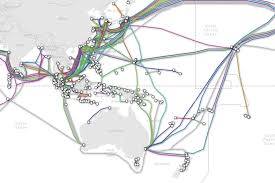
Australia’s lifeline: The submarine cables that connect the nation to the world are under threat

Image
Australia’s connection to the global internet relies on a network of submarine cables, some no thicker than a garden hose. These vital cables carry almost all of the country’s international data, supporting industry, communications and everyday life. But despite their importance, they face significant threats, including natural predators, accidents and deliberate sabotage. The foundation of connectivity Underwater cables are the unsung heroes of modern communications. Responsible for carrying more than 95% of global internet traffic, these cables stretch thousands of kilometres along the ocean floor, connecting continents and providing real-time connectivity. For Australia, an island nation with limited land-based links to other countries, these cables are particularly important. Vulnerable infrastructure Recent incidents have highlighted the fragility of this infrastructure. Last month, two Baltic Sea cables were mysteriously damaged, sparking global concerns about the security of und...

Discovery of Ancient Phanagoria Jewish Quarter: A Window into History

Image
Recent archaeological discoveries have shed light on the extensive Jewish heritage of the ancient city of Phanagoria, located on Russia’s Taman Peninsula near the Black Sea. Known as one of the oldest Greek settlements, Phanagoria has revealed extraordinary connections to Jewish history dating back to the first century BC. World’s Oldest Synagogue Discovered In 2023, archaeologists discovered one of the world’s oldest synagogues, likely built during the Second Temple period. Although the synagogue was destroyed in the sixth century, the synagogue’s ruins include menorahs, altars, and 58 copper coins that provide a glimpse into its illustrious past. The synagogue was not an isolated building; it was part of a larger Jewish quarter with wineries, residences, a communal park, and clay pithos (large storage jars). The discovery underscores the integration and prominence of Jewish life in the multi-ethnic society of Phanagoria. Artifacts and Evidence of Daily Life One of the most intriguing...

Breakthrough in Asthma Treatment After 50: What You Need to Know

Image
Asthma and chronic obstructive pulmonary disease (COPD) affect millions of people worldwide, often leading to debilitating symptoms and a reduced quality of life. For the first time in five decades, researchers have developed a promising new treatment that could dramatically change the way these diseases are treated. What is the new treatment? This revolutionary therapy involves an injection designed to suppress a specific part of the immune system. During asthma attacks or COPD flare-ups, the immune system can become overactive, causing severe inflammation in the airways. By targeting this mechanism, the new treatment helps prevent and reduce the severity of these episodes. How does it work? The injection works to calm the immune responses associated with airway inflammation. This precision approach minimizes side effects and provides long-lasting relief compared to traditional inhalers and medications. Clinical trials have shown promising results, with many patients experiencing fewe...

Understanding the Interaction between Ecology and Global Health: Preparing for Future Challenges

Image
In a rapidly changing world, the connection between nature and human health has never been more apparent. The balance of ecosystems directly influences the emergence and spread of diseases, leading experts around the world to turn to ecological modeling to predict and mitigate future outbreaks. This article explores how the complex web of ecology affects global health and why proactive preparation is essential. The Connection Between Ecology and Emerging Diseases Ecologists and epidemiologists agree that habitat destruction, climate change, and biodiversity loss are increasing the risk of zoonotic diseases, which are transmitted from animals to humans. Diseases such as COVID-19, avian influenza, and Lyme disease highlight the urgent need for global awareness. Why is this happening? 1. Deforestation and habitat loss: As forests shrink, animals migrate closer to human populations, creating pathways for disease transmission. 2. Climate change: Higher temperatures expand the range of disea...

COVID-19’s Impact on Animals: A Stark Reminder for Conservation

Image
As the world continues to recover from the COVID-19 pandemic, a surprising aspect of the virus’s spread has emerged: its ability to infect animals. Recent reports from a Brazilian zoo highlight this concern, where 9 out of 47 animals tested positive for SARS-CoV-2. The finding underscores the interconnectedness of human and animal health, prompting us to take a closer look at how the virus is affecting wildlife and conservation efforts. Animals Affected by COVID-19 The animals infected at the Brazilian zoo were of a variety of species, demonstrating the widespread impact of the virus. Those affected included: Big cats (lions, tigers, and pumas), which have shown susceptibility in other zoos around the world. Primates, closely related to humans, are particularly vulnerable to respiratory diseases. Small mammals, such as otters, which can be reservoirs for the virus. Which zoos are reporting cases? While the Brazilian case has garnered attention, similar incidents have been reported arou...

Exploring the final frontier: The new EU Space Commissioner and Europe’s space ambitions

Image
As humanity ventures ever deeper into the vast expanse of space, the European Union is positioning itself as a global leader in space exploration, security and innovation. With the recent appointment of Andrius Kubilius as the new EU Space Commissioner, Europe is set to chart a bold course to enhance its competitiveness and security in the space arena. Europe’s competitive edge in space Kubilius pledged to prioritise the long-awaited European Space Law, a legislative framework designed to strengthen cooperation between EU member states, universities and private companies. By setting clear rules and offering incentives, the law aims to attract investment, encourage innovation and ensure that Europe remains at the forefront of the space industry. Milestones and investments The global space industry is forecast to exceed $1 trillion by 2040, with Europe playing a key role. In 2023, European countries collectively invested more than $10 billion in space-related initiatives, funding groundb...

The Future of Transportation: Cars That Run on No Gas or Electricity?

Image
Imagine a car that runs on neither gas nor electricity. It’s no longer science fiction. Engineers around the world are racing to develop vehicles that run on groundbreaking alternative energy sources, and the results are nothing short of extraordinary. Let’s explore this new frontier, how it works, and why it matters: What’s the technology behind it? The spotlight is on Itai Hod, whose innovative design throws conventional energy paradigms off the rails. This car uses clean hydrogen, compressed air, or biofuel-based systems, bringing us closer to a carbon-neutral future. 1. Zero emissions: These vehicles produce little or no water vapor. 2. Renewable energy integration: Easily compatible with solar, wind, or hydropower. 3. Efficiency: Reduces reliance on infrastructure charging networks. Competitors in the race Major automakers like Toyota, Tesla, and Hyundai are experimenting with alternative energy. But Itai Hoda’s prototype offers a competitive advantage because it completely elimin...

The Mystery of Gluten Reactions Unraveled: What the Science Says

Image
Gluten has been at the center of dietary debate for years. While some dismiss gluten sensitivity as a fad, recent scientific advances are shedding light on how and where reactions to gluten begin at the cellular level. This breakthrough brings clarity to the millions of people who face serious consequences from consuming even trace amounts of the protein. The Science Behind the Reaction Gluten is a protein found in wheat, barley, and rye. For people with celiac disease or non-celiac gluten sensitivity (NCGS), eating gluten can trigger an immune response that leads to inflammation and long-term complications. According to new findings, the immune response begins in the small intestine, where fragments of gluten interact with specific immune cells called T cells. These cells mistakenly identify gluten as harmful, initiating a cascade of reactions that can affect several body systems. Health Effects Even minimal exposure to gluten can lead to: Chronic inflammation Intestinal permeability ...